

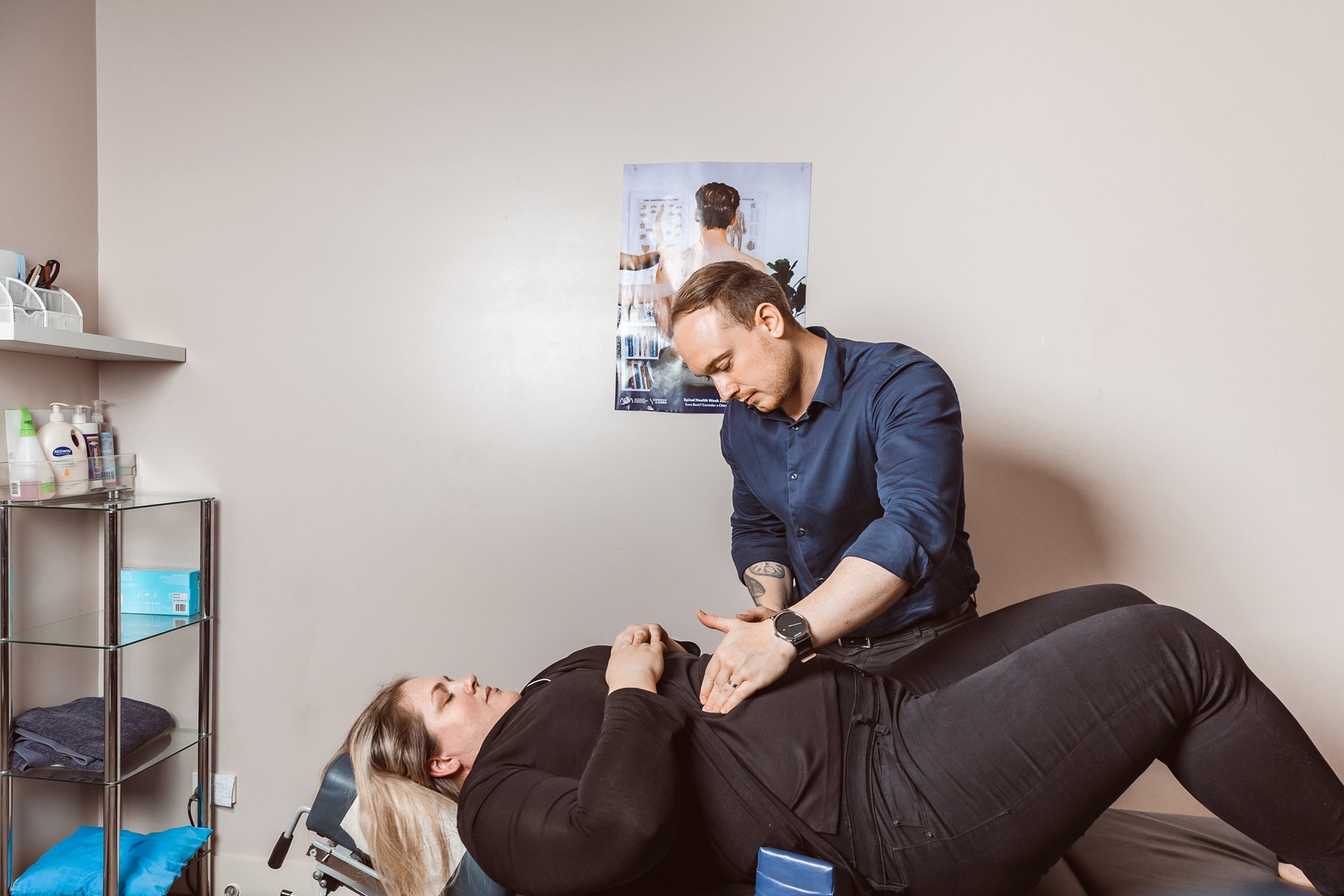
Pregnancy brings significant changes to the body, particularly through the lumbopelvic region. As the baby grows, posture, weight distribution and the demands placed on the pelvis and surrounding muscles and ligaments change.
At HPC Chiropractic in Carina Brisbane, the Webster Technique is one approach we use to assess and support the biomechanics of the lumbopelvic region during pregnancy.
What is the Webster Technique?
The Webster Technique is a specific chiropractic analysis and technique focused on the lumbopelvic region. It assesses the relationship between the pelvis, muscles and ligaments to identify areas where normal biomechanics may be altered.
The aim is to support optimal function of the lumbopelvic region and its surrounding structures throughout pregnancy.
Why is Webster used during pregnancy?
Pregnancy places increasing physical demands on the pelvis and lower back. As the baby grows, the mother’s centre of gravity changes and posture naturally adapts. This can alter the loads placed on the muscles, ligaments, joints and other structures around the pelvis.
The Webster Technique provides a way of assessing these changes and supporting the function and balance of the lumbopelvic region as pregnancy progresses.
What happens during a Webster assessment?
Your comfort is a priority throughout the assessment.
At HPC, we have pregnancy pillows and adaptable tables to help you find a comfortable position, including positions that allow you to lie comfortably during your assessment.
Depending on your stage of pregnancy and individual circumstances, your chiropractor may assess aspects of pelvic and lower-limb movement, as well as the function of structures including:
- the sacroiliac joints
- sacrotuberous ligaments
- muscles around the pelvis
- the pubic symphysis
- round ligaments
- overall lumbopelvic biomechanics
The assessment is individualised, and techniques are adapted to suit the person and their stage of pregnancy.
Can Webster Technique be used outside pregnancy?
Yes. The Webster analysis can be used in weight-bearing individuals, making it a useful way of assessing lumbopelvic biomechanics beyond pregnancy.
However, it is particularly well known for its application during pregnancy, when the pelvis and surrounding structures undergo significant physical changes.
Is Webster Technique used to turn a breech baby?
No.
This is an important distinction.
The Webster Technique is not a technique for physically turning a baby. A chiropractor does not attempt to manually rotate or reposition the baby.
Instead, the focus is on assessing and supporting the mother’s lumbopelvic biomechanics and surrounding structures. Changes in the mother’s pelvic and soft-tissue environment may be associated with changes in fetal positioning, but the purpose of the Webster Technique is to address the mother’s biomechanics rather than physically manipulate the baby.
If a baby is breech, your obstetric or maternity care provider can discuss appropriate options for managing the pregnancy and birth.
Webster Technique at HPC Chiropractic
Webster Technique has been part of our approach to pregnancy care at HPC Chiropractic, Carina for many years.
We understand that every pregnancy is different, and we take the time to make sure you are comfortable throughout your appointment. Our goal is to provide a calm, supportive environment where you can ask questions, understand what is being assessed and make informed decisions about your care.
If you’re pregnant and interested in learning more about the Webster Technique, we’d be happy to explain how the assessment works and whether it may be appropriate for you.